You post one role. Five hundred applications flood your inbox. Hours vanish scrolling through resumes, while top candidates slip away.
It’s the kind of frustration hiring teams face every day. And at scale, it’s unsustainable. That’s why candidate screening automation has become a must-have for modern hiring.
However, the challenge isn't whether to automate—it's choosing the right approach when the options feel endless.
In this article, we're drilling down into candidate screening automation tools, showing you how to evaluate each option and determine which platforms perform best for diverse hiring needs.
Let’s begin. But first…
How We Chose the Tools
To create this list, we reviewed candidate screening platforms that help high-volume hiring teams assess applicants to determine who advances.
We used the same criteria to evaluate each tool. Assessment capabilities, AI approach, workflow integrations, candidate experience, security, pricing, and, most critical, where candidates are eliminated and whether a recruiter reviews them first.
Starting with Willo, this comparison focuses on candidate screening automation, not broader recruitment automation. Applicant tracking systems (ATS), sourcing platforms, job distribution software, and recruiting automation tools were excluded because they automate different stages of the hiring process.
What Candidate Screening Automation Covers and Where it Sits in the Recruitment Process
3 out of every 4 businesses struggle to fill full-time positions, but automating initial hiring stages can help.
Candidate screening automation lets you evaluate applications faster, but the best platforms also deliver auditable, evidence-based scoring that flows seamlessly into connected ATS systems and recruiting automation software.
These tools are a necessity because:
- Screening drives your most critical decisions. High application volumes can overwhelm even experienced recruiters, leading to manual errors and unconscious bias. When you automate mundane screening tasks, you free up time to focus on the critical evaluation that drives high-value hiring outcomes.
- The industry is already moving in this direction. A remarkable 64.9% of hiring teams have increased their use of AI to standardize early-stage screening and improve overall process consistency. You're building on proven practices, not experimenting.
- AI-generated applications are everywhere. As candidates increasingly use AI tools for applications, reliable screening becomes crucial for identifying genuine talent and authentic responses.
Now, let’s consider the factors that make a great candidate screening automation software.
What Makes a Great Screening Automation Tool?
The best candidate screening automation tools excel in seven key areas:
1. Ease of use for recruiters and candidates
No downloads or signups should be required, but that’s just the start. The tool must work smoothly across devices, handle bandwidth limits, and support candidates with diverse accessibility needs. Recruiters should be able to set up and edit interviews without a steep learning curve. When the recruitment screening process is intuitive for both sides, the completion rate improves.
2. Comprehensive features and functionality
A robust platform goes beyond video Q&As. Consider additional options, such as the ability to set multiple question formats and controls over retakes and thinking time. The goal is to replicate real job conditions, whether testing quick decision-making in sales or structured communication in support roles.
3. AI and automation capability
AI should assist, not replace, human judgment. Check how the system flags potential use of generative AI in candidate responses and what guardrails exist to reduce bias. Automation features, such as reminders, scheduling triggers, or candidate nudges, would help your team spend less time chasing responses and more time evaluating talent.
4. ATS integration
Many tools claim integration, but only embed a link in the ATS, requiring recruiters to switch systems for review and manually transfer scores/notes. True integration means assets like scorecards, notes, and candidate progress flow directly into your ATS, enabling hands-free operation and two-way data sync.
5. Pricing flexibility and fair usage
Pricing models vary widely—per response, per interview slot, or on a monthly subscription. Consider brands that allow you to choose based on:
- Your hiring volume and patterns
- Types of roles you typically fill
- Predictability of costs
For instance, a brand that charges per response could become very expensive and disincentivize broad candidate screening for high-volume, transient roles like security officers.
6. Security & compliance
GDPR compliance and data retention controls are non-negotiable. For remote or high-stakes hiring, also check for features that authenticate candidates and prevent impersonation.
7. Where candidates are eliminated
Some screening automation platforms automatically reject candidates before a recruiter reviews their applications, while others use AI to assess applicants and recommend who should progress. With fairness, compliance, and hiring quality as priorities, tools that keep recruiters in control by making every recommendation transparent, explainable, and reviewable are the only ones worth considering.
6 Best Candidate Screening Automation Tools
1. Willo
Best for: High-volume hiring with complete human oversight
Willo helps high-volume hiring teams build stronger shortlists through structured candidate assessments and AI-powered Insights. It scores candidates against your hiring Blueprint and provides interview transcripts and summaries recruiters can review, validate, and act on rather than automatically eliminating applicants.
Why we chose Willo
Willo is ideal for recruiters and hiring managers that need to assess candidates quickly without compromising shortlist quality, data security, or the candidate experience.
- Standardized candidate evaluation: Every candidate completes the same structured interview, creating a more consistent basis for comparison. With five question formats, customizable scorecards, and controls over thinking time and retakes, recruiters can assess role-specific skills under the same conditions before deciding who moves forward.

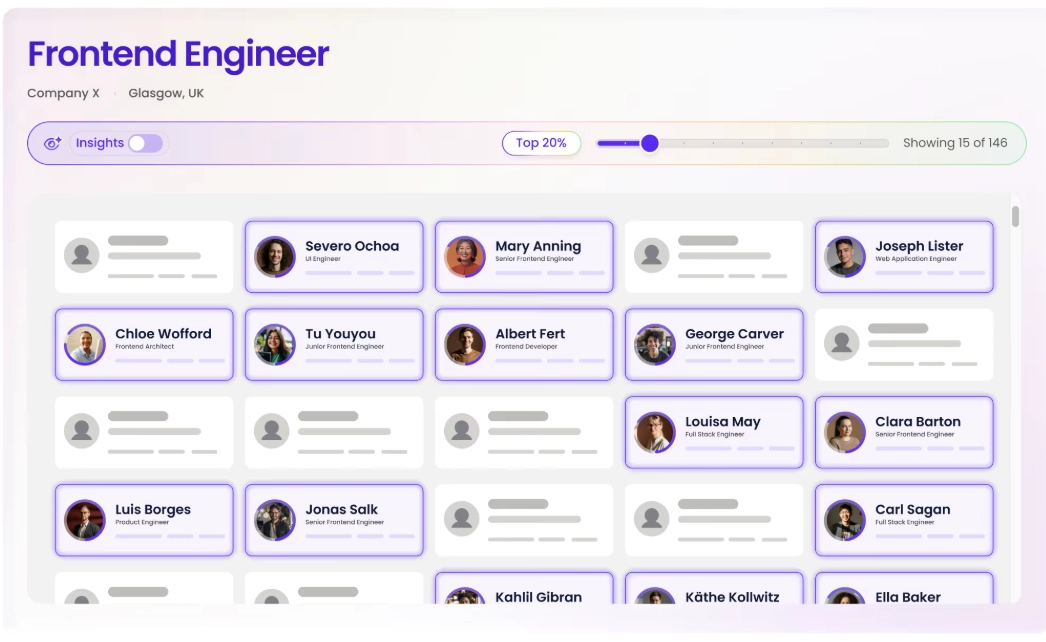
- Willo Insights: Recruiters review candidates against a predefined hiring Blueprint using AI-generated response summaries, interview transcriptions, and follow-up questions. This Willo feature speeds up evaluation without replacing human judgment, so recruiters remain in control of every shortlisting decision, and candidates are never automatically rejected.
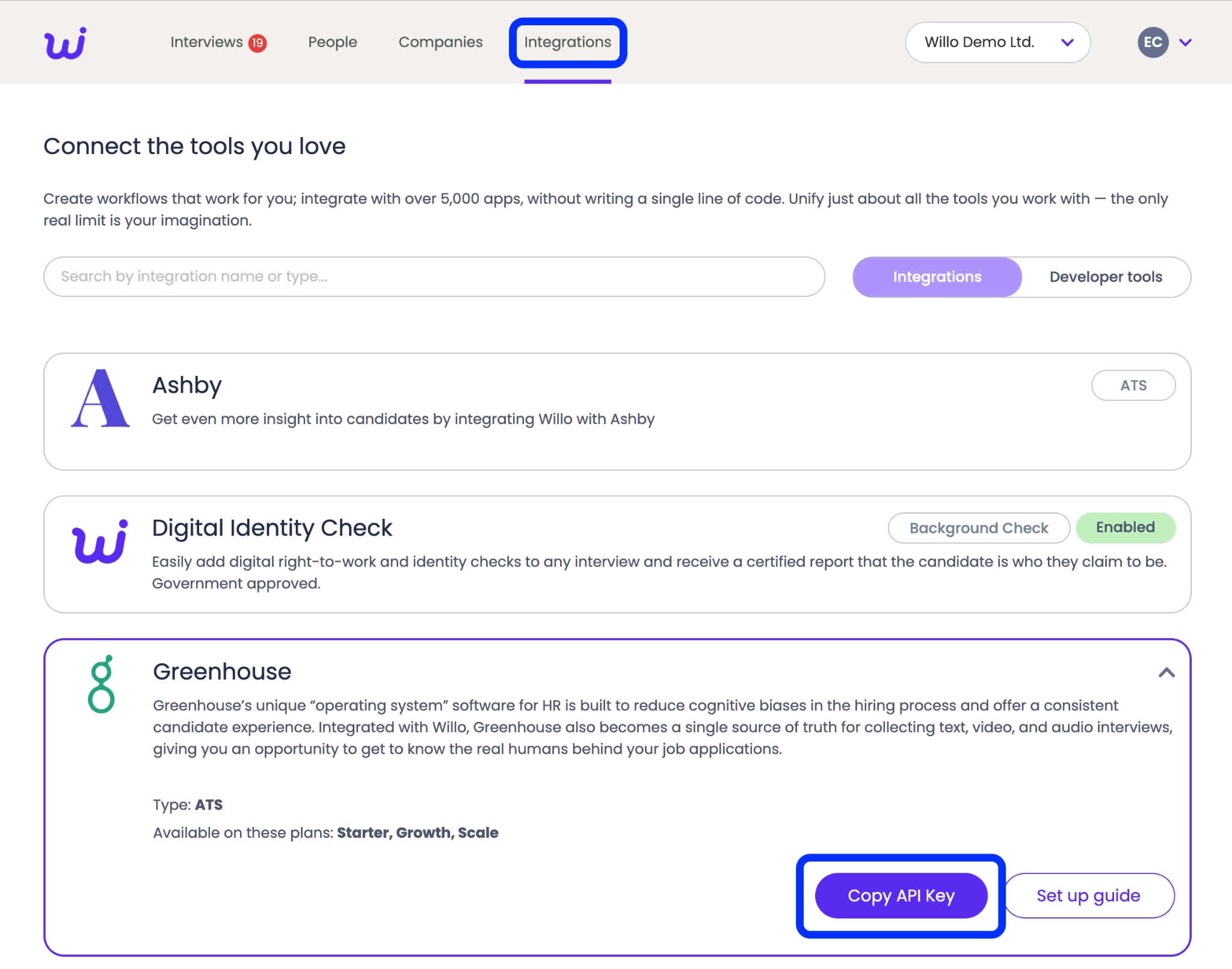
- Flexible integrations: Willo integrates with your existing ATS or works as a standalone platform, automatically syncing interviews, scores, and feedback to reduce manual admin. Native integrations, APIs, and Zapier connections make it easy to fit into existing hiring workflows.
- Candidate experience: 24/7 support and no-login access reduce candidate dropout, while QR codes for device switching and practice questions improve completion rates and strengthen your employer brand.
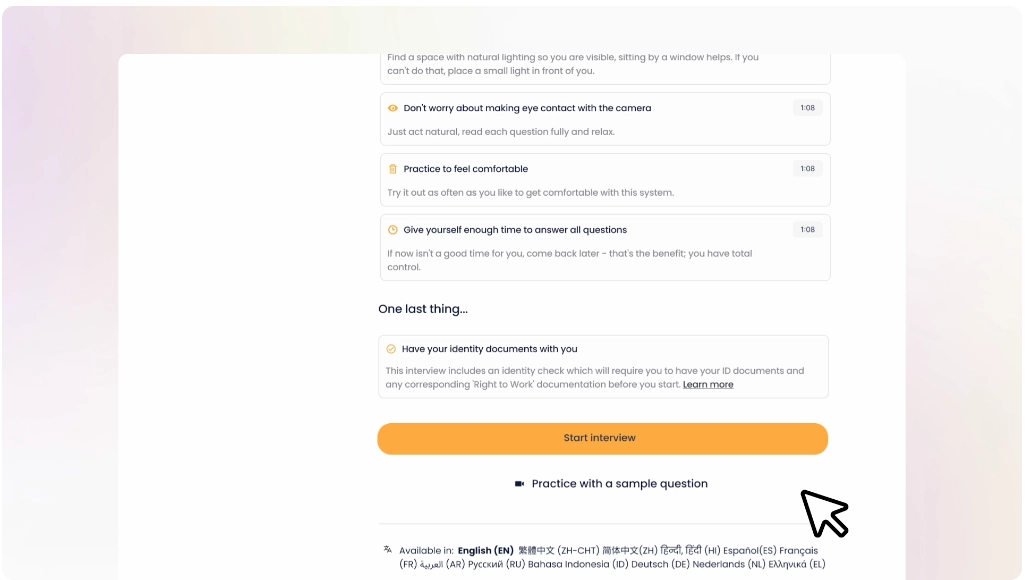
Enterprise security: GDPR, ISO 27001, and SOC 2 compliance protect candidate data, while identity verification and AI-assisted authenticity checks help recruiters evaluate genuine applicants with greater confidence.

- Fast implementation: Set up screening in 4 minutes using more than 1,000 interview templates and review responses directly in your browser.
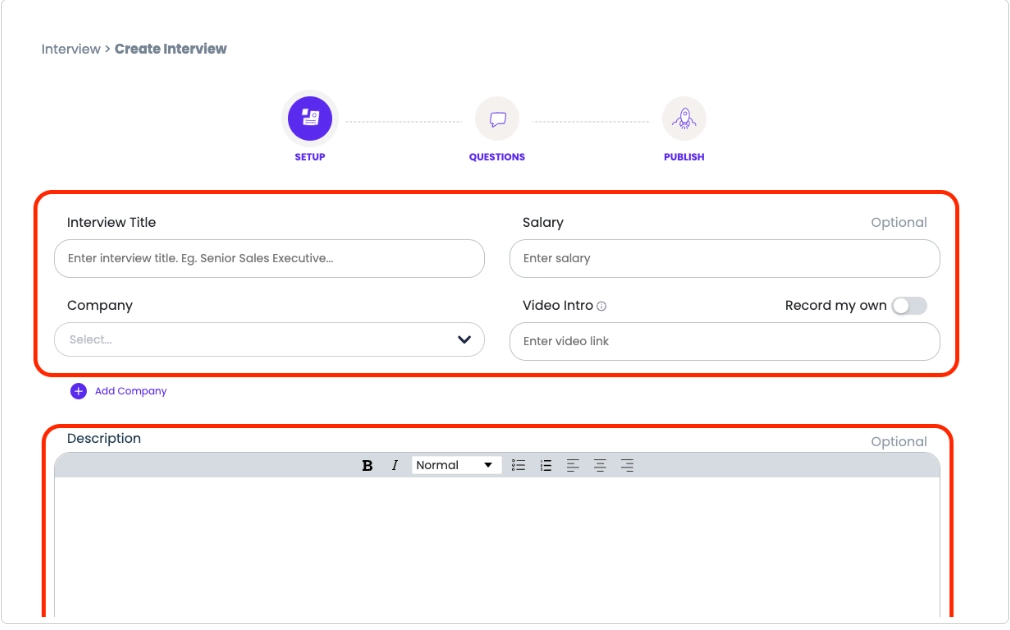
- Predictable pricing: Pricing based on positions or annual hires means you can forecast costs accurately. No surprise bills from high response volumes during busy hiring periods.
Real results speak for themselves:
- Lunio saved £50,000 by replacing phone screens with video interviews.
- EDF handled 17,000 applications in a single season while cutting recruiter admin time in half and increasing confidence in hiring decisions.
- airBaltic went from screening 70 candidates a week to over 100, while giving applicants the chance to show their whole selves in ways only a written resume couldn’t.
- Madison Reed increased candidate response rates by 2x, gained a deeper understanding of each person, and ultimately surfaced talent that would have been easily overlooked on paper.
Pros
- 1000+ pre-built assessment templates
- No app downloads or account creation required for candidates
- Human-led AI approach reduces algorithmic bias
- Comprehensive ATS integration options
- Transparent, predictable pricing model
Cons
- Isn’t an ATS and does not replace one
- Doesn’t offer self-reported behavioral or psychometric assessment, by design
- Sits before the live interview rather than conducting it.
Pricing
Willo’s pricing has three tiers:
- $279/month. Ideal for teams that hire a few times annually.
- $409/month for teams scaling up their recruitment.
- Custom pricing for large companies hiring at volume.
2. HireVue
Best for: Enterprises seeking deep AI-powered assessments
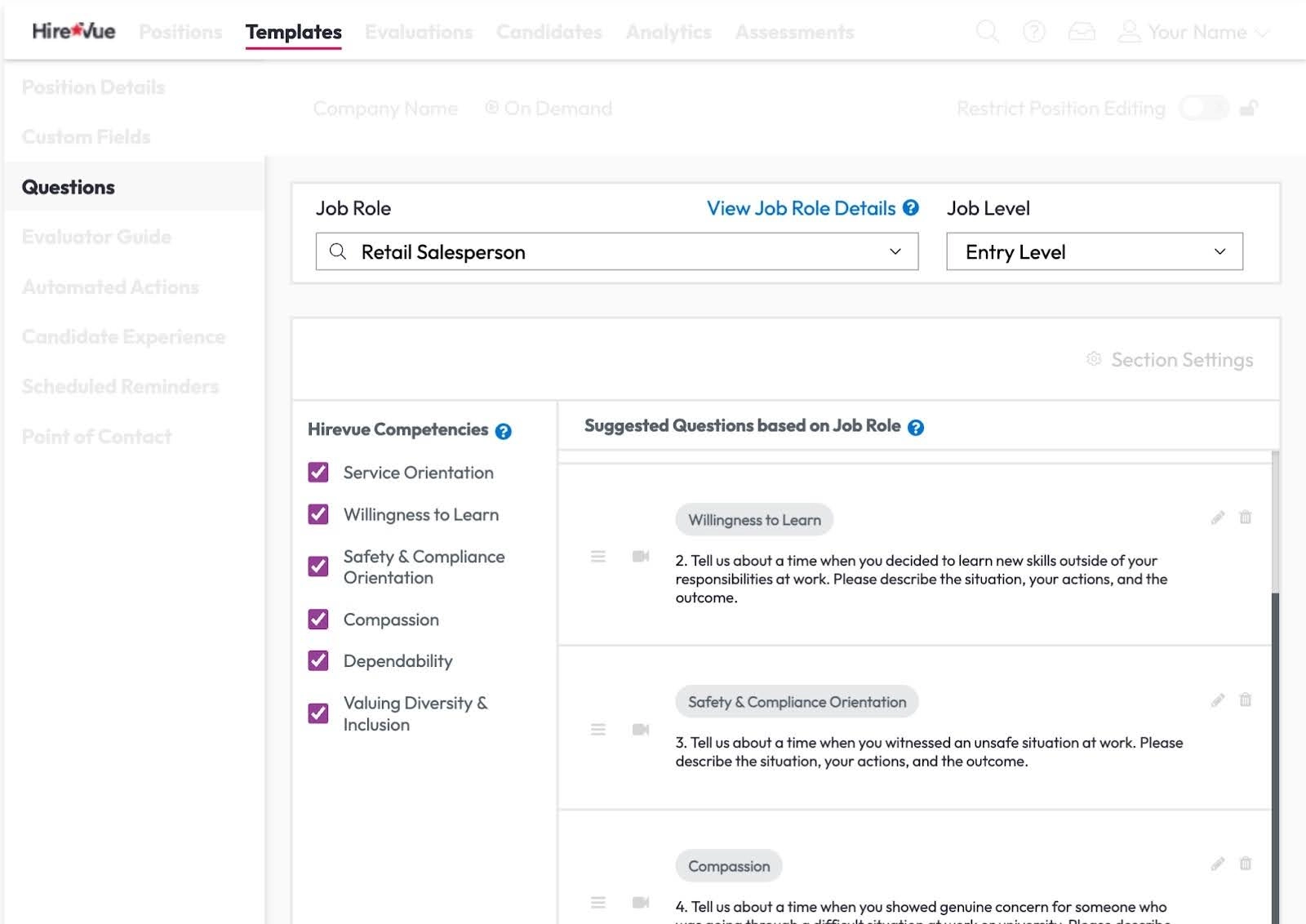
HireVue is an enterprise-focused solution primarily known for its AI-powered screening and video/game-based assessments. It helps hiring teams quickly narrow down a large pool of applicants with AI-powered pre-screening assessments.
Why We Chose HireVue
HireVue represents the AI-first approach to candidate screening automation. The platform excels in providing comprehensive assessment tools and enterprise-grade integrations, making it suitable for large organizations with complex hiring needs and substantial technology budgets.
However, its heavy reliance on AI scoring and automated candidate evaluation raises concerns about algorithmic bias and transparency in hiring decisions.
Key Features
- Virtual job tryout
- Game-based assessments
- Technical assessments
- Language proficiency tests
- Structured video interviewing
Pros
- Highly advanced analytics
- Robust ATS integrations
- Enterprise-grade data security
Cons
- HireVue is considered an extremely expensive option with annual contracts
- Users face significant scheduling issues with HireVue’s complex interview setups and integrations.
- Applicants may need to download HireVue’s app before conducting asynchronous interviews.
Pricing
- Enterprise-only, custom contracts
Need enterprise-grade features without the complexity? Explore our detailed comparison of HireVue alternatives that put the human back in hiring.
3. Spark Hire
Best for: Mid-size teams needing simple video interviews
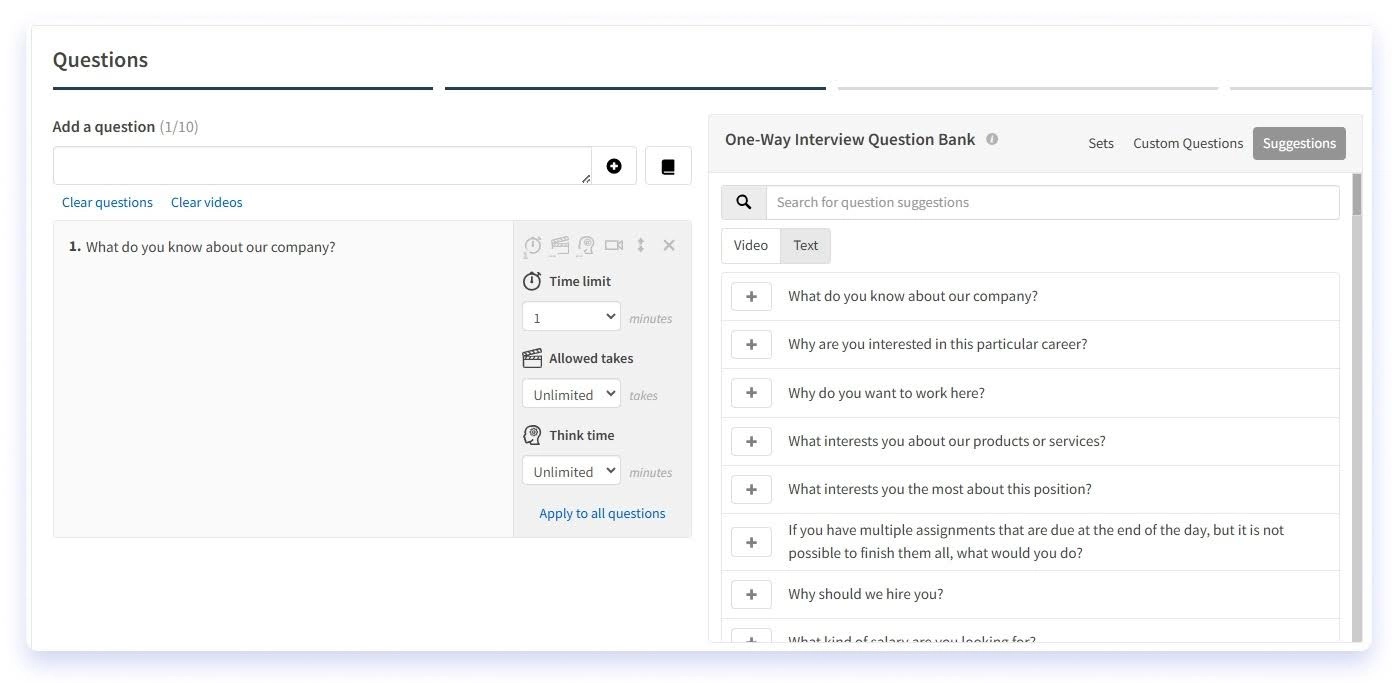
Spark Hire is a popular video interviewing platform known for its simplicity and user-friendly interface for recruiters. The platform offers two primary solutions: Spark Hire Meet for live interviews and Spark Hire Recruit for one-way video interviews.
Why We Chose Spark Hire
While it offers an ATS, SparkHire's core identity is its video interviewing functionality. The platform specializes in both one-way and live interviews, providing a workflow that automates scheduling, sending invitations, and collecting responses.
And while its primary focus is not AI-driven candidate analysis like HireVue, Spark Hire automates key parts of the interview process, such as sending invitations, reminders, and managing scheduling.
However, its limited ATS integration causes significant delay for recruiters. Previous Spark Hire users note that candidate videos, ratings, and scorecards don't automatically sync with most ATS platforms, requiring manual data transfer.
Key Features
- Video interviews
- One-way video interviews
- Live video interviews
- Automated reference checks
- Applicant tracking system
Pros
- Easy implementation
- Transparent pricing tiers
- No candidate app required
Cons
- Costly upgrade requirements - using SparkHire's built-in ATS requires expensive plan upgrades, while existing ATS systems go unused.
- Manual workflow dependencies - frequent switching between SparkHire and ATS systems for feedback logging and decision tracking.
- Restricted assessment variety - limited to video responses without diverse question types for comprehensive screening.
Pricing
- Video interview: $299 per month for up to 5 users.
- Behavioral assessment: $299 per month for up to 5 users.
Looking for more flexible options? Check out our review of Spark Hire alternatives for platforms that offer better ATS integration and a wider variety of assessments.
4. HireFlix
Best for: Small teams seeking affordable one-way video interviews
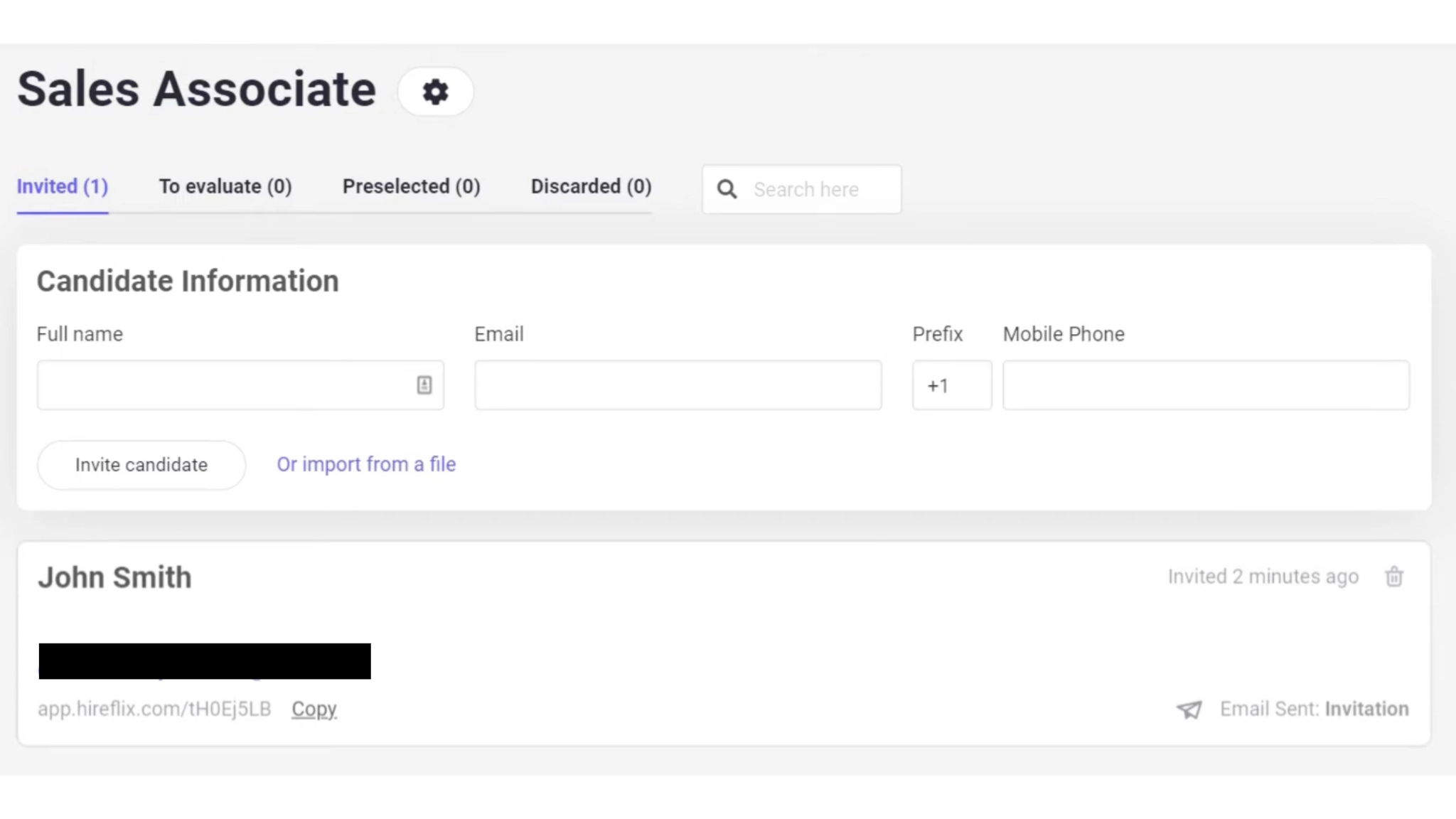
HireFlix strips video screening down to its essentials: efficiency, speed, and usability. If you’re looking for a budget-friendly recruitment tool that cuts costs and automates your essential needs, it's a solid choice.
Why We Chose HireFlix
HireFlix excels in providing a video screening solution that prioritizes speed and simplicity. Features include customizable branding, reusable interview templates, video question prompts, and a collaborative dashboard.
However, HireFlix does not offer live video interviews or advanced AI assessments. Its automation focuses on the one-way interview workflow itself, such as sending automated email invitations and reminders. This makes it suitable for SMBs that need basic video screening capabilities without enterprise-level complexity or costs.
Key features
- Async video interviews
- Candidate rating and sharing
- Custom branding
- No-login candidate experience
- Smooth ATS integration
Pros
- Quick deployment and immediate usability
- Very cost-effective pricing model
- No learning curve for recruiters or candidates
- SOC 2 compliance for data security
Cons
- No live video interview capabilities
- Limited advanced features compared to comprehensive platforms
- Minimal AI or automation beyond basic workflow management
- Fewer native ATS integrations than enterprise solutions
- May not meet the needs of large organizations requiring complex assessments
Pricing
- Small: $75 per month (billed yearly)
- Medium: $150 per month (billed yearly)
- Custom: Contact for pricing
Ready to scale beyond basic video screening? Discover more powerful HireFlix alternatives that offer advanced features while maintaining budget-friendly pricing.
5. VidCruiter
Best for: Enterprise companies with custom recruitment workflows
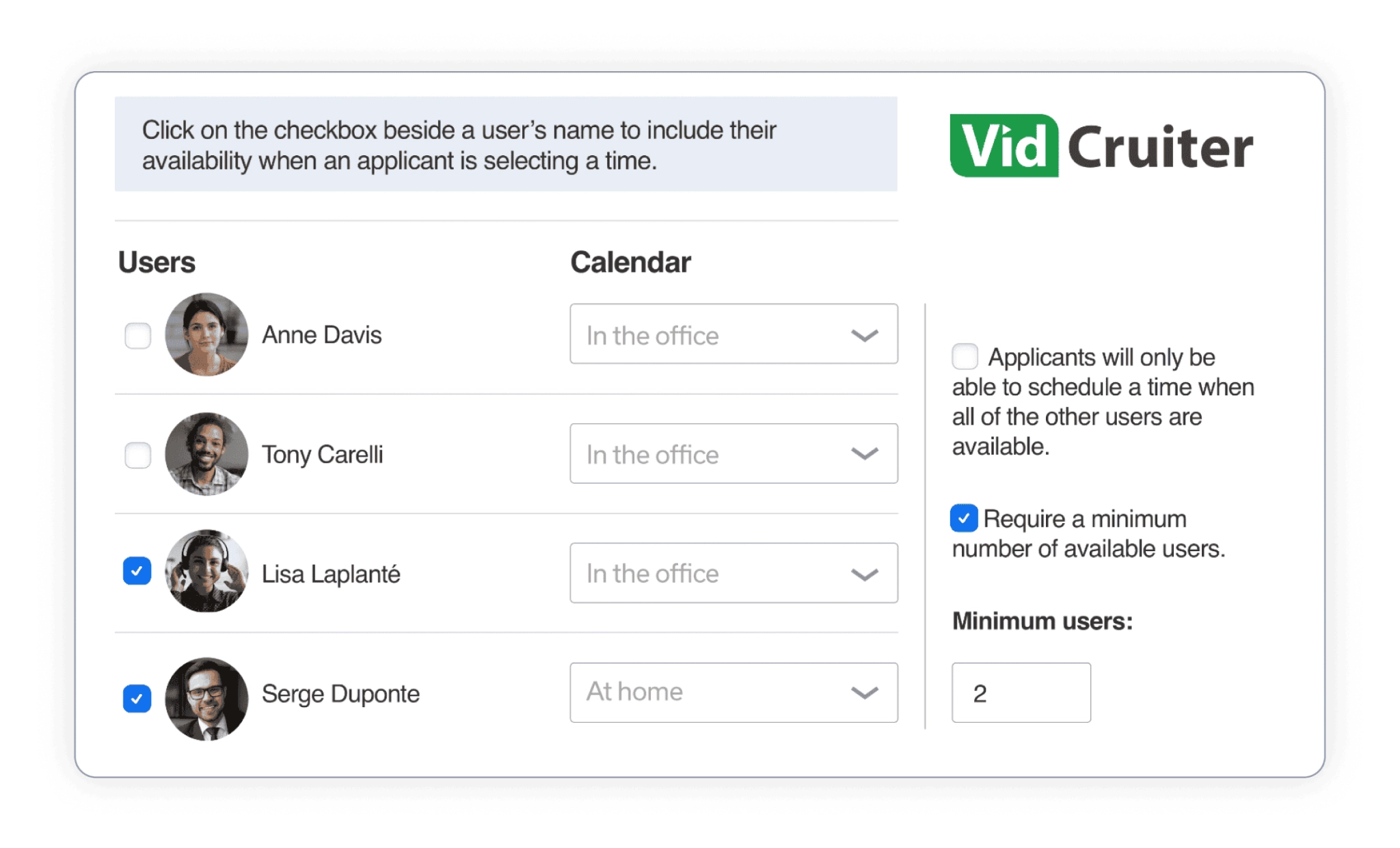
Unlike off-the-shelf solutions that offer immediate deployment, VidCruiter specializes in building custom workflows that reflect your organization's specific internal hiring processes.
This approach extends well beyond basic video screening to include automated reference checking, video job descriptions, interview scheduling, and customizable talent databases.
Why We Chose VidCruiter
VidCruiter stands out for its ability to build bespoke hiring processes tailored to organizational needs, while most screening tools provide standardized workflows.
However, this customization strength becomes a significant weakness when speed and simplicity are priorities, as it requires longer setup times, greater operational involvement, and steeper learning curves that may not suit high-volume recruitment scenarios.
Key features
- Pre-recorded video interviews
- Live video interviews
- Interview scheduling
- Structured interviews
- Interview management system
- Automated reference check
Pros
- Automated reference checking system with fraud detection for reference responses
- Highly customizable workflows that can mirror complex organizational hiring processes
- Comprehensive end-to-end recruitment lifecycle management beyond basic screening
Cons
- Lengthy setup and implementation process
- Complex interface design that feels dated and overwhelming, particularly for new users
- Operational friction in scaling arises from the need to add candidates or edit positions through cumbersome multi-step processes.
- Minimum annual commitment required with hidden costs for add-ons and customizations
Pricing
- Contact Vidcruiter for custom-quoted enterprise pricing.
Need customization without the complexity? See our analysis of VidCruiter alternatives for platforms that offer flexibility with faster deployment and transparent pricing.
6. TestGorilla
Best for: Skills-based screening through comprehensive assessments
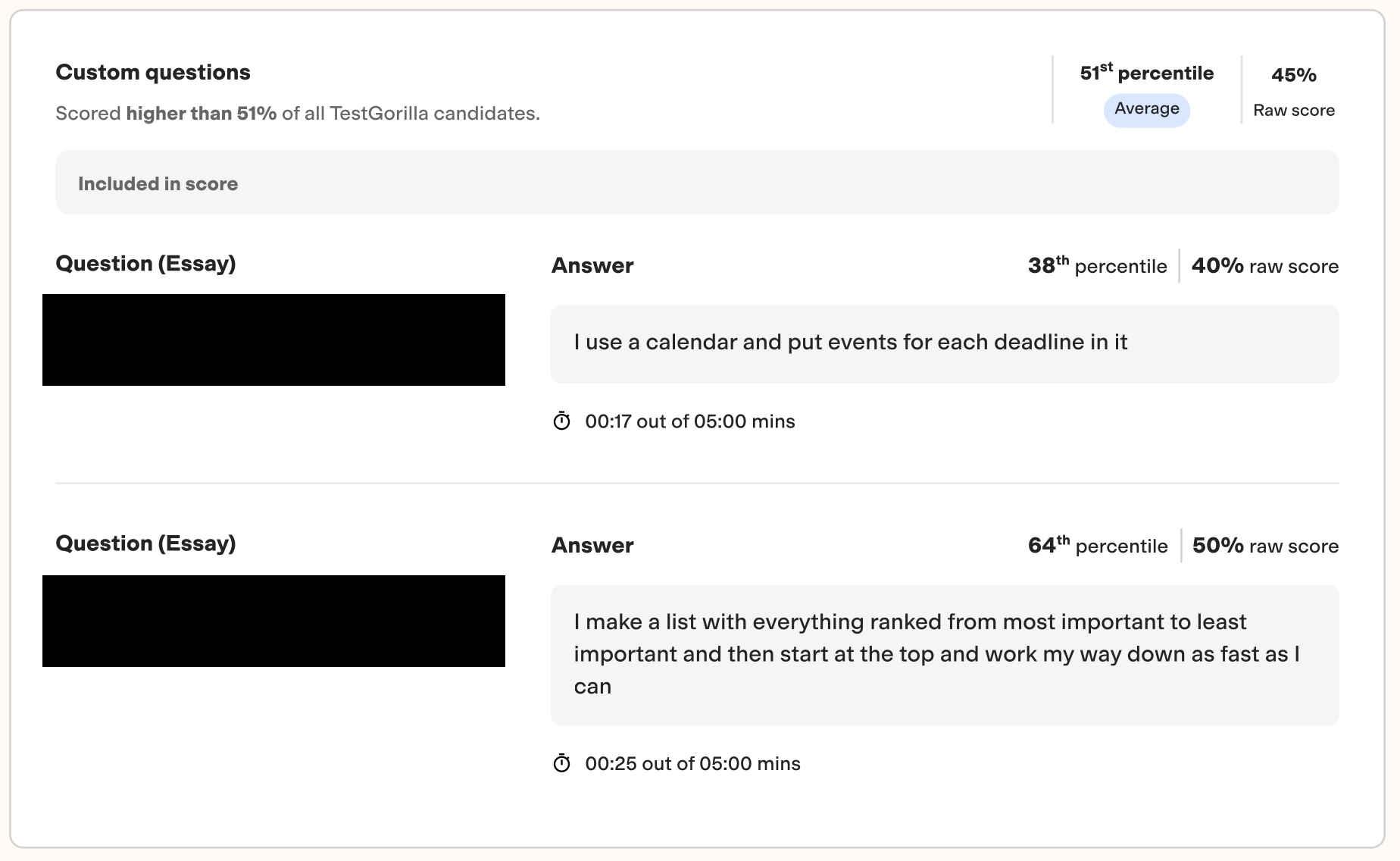
TestGorilla focuses on skills-based talent assessments rather than video screening, offering over 350 science-backed tests to evaluate candidates' abilities before interviews. The platform emphasizes skills over traditional resume parsing to minimize hiring bias and uncover diverse talent with relevant competencies.
Why we chose TestGorilla
The platform helps minimize hiring bias by focusing on competencies rather than traditional resume screening. With AI-powered scoring and tests covering everything from technical skills like Jenkins to soft skills like problem-solving, TestGorilla offers objective candidate evaluation.
However, it lacks video screening capabilities and requires additional tools for comprehensive workflows.
Key features
- Pre-built test library covering technical and soft skills
- Custom assessment creation capabilities
- Anti-cheating measures and candidate authentication
- Detailed analytics and reporting
Pro:
- Accessible pricing starting at $135/month
- Strong focus on bias reduction in hiring
- Extensive test library for various roles and industries
Cons
- No video screening or interview capabilities
- Limited to written assessments and cognitive tests
- May require additional tools for comprehensive screening workflows
Pricing
- Free plan with limited access
- Core: $135/mo billed annually
- Plus: Custom plan
Looking for assessment tools that include video screening? Explore our guide to TestGorilla alternatives for platforms that combine skills testing with comprehensive interview capabilities.
The best screening tools go beyond time savings
They help you build stronger shortlists by making candidate evaluations more consistent, transparent, and easier to compare.
Willo combines structured candidate assessments with human-led AI to do exactly that—without removing recruiters from the decision-making process. Whether you're hiring at scale or simply looking to screen candidates with more confidence, Willo is built to support better hiring from the very first stage.